 ×
×

With rising global environmental awareness and growing demand for disposable products, paper cups have become an important form of eco-friendly packaging. As a result, the market demand for paper cup machines—the equipment used to make them—keeps expanding. The paper cup machine manufacturing industry has made steady progress in technological innovation, automation and environmental standards, providing efficient production solutions for the catering, food service and other industries. This article will discuss the technical features, current market situation and future trends of paper cup machines, and analyze the challenges and opportunities facing the industry.
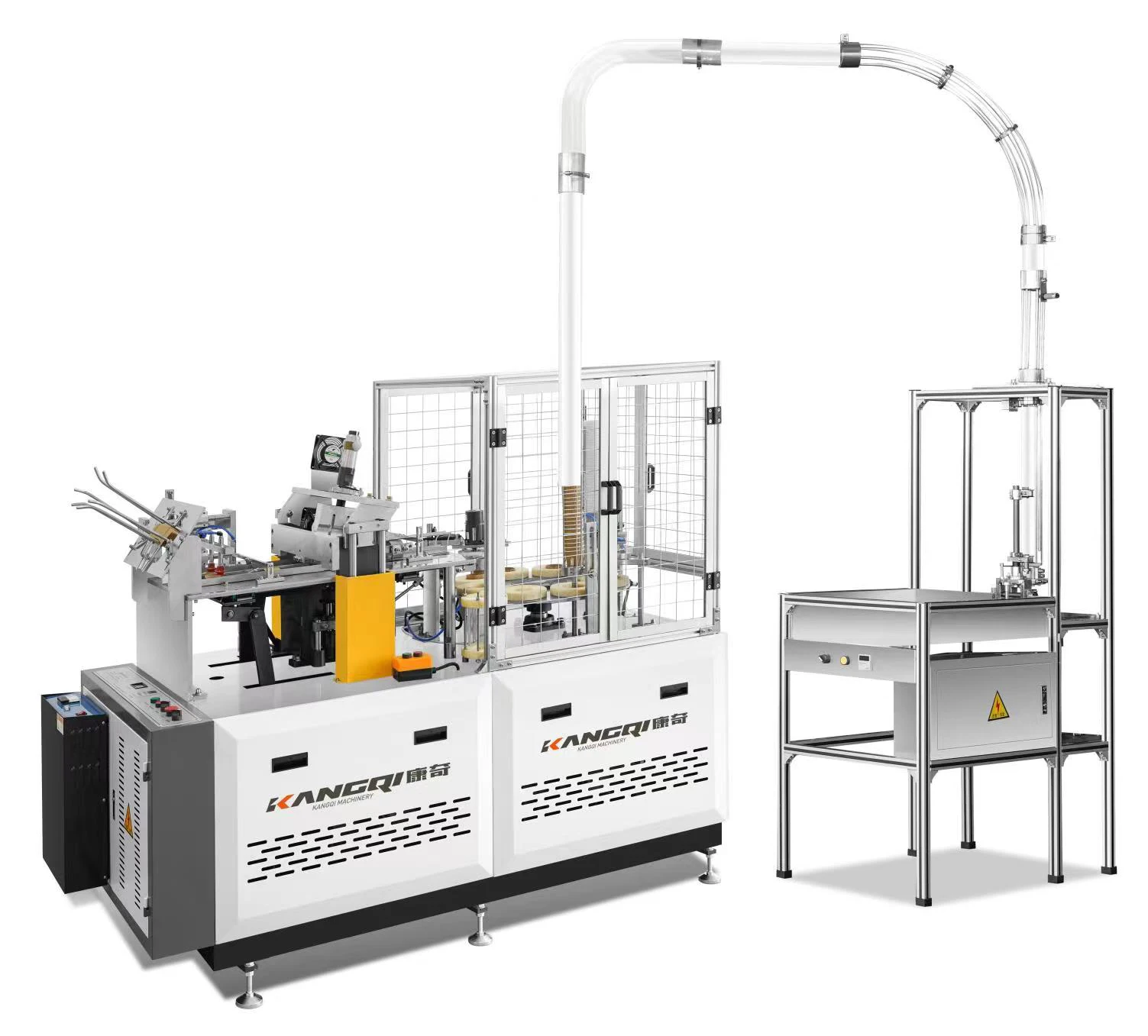
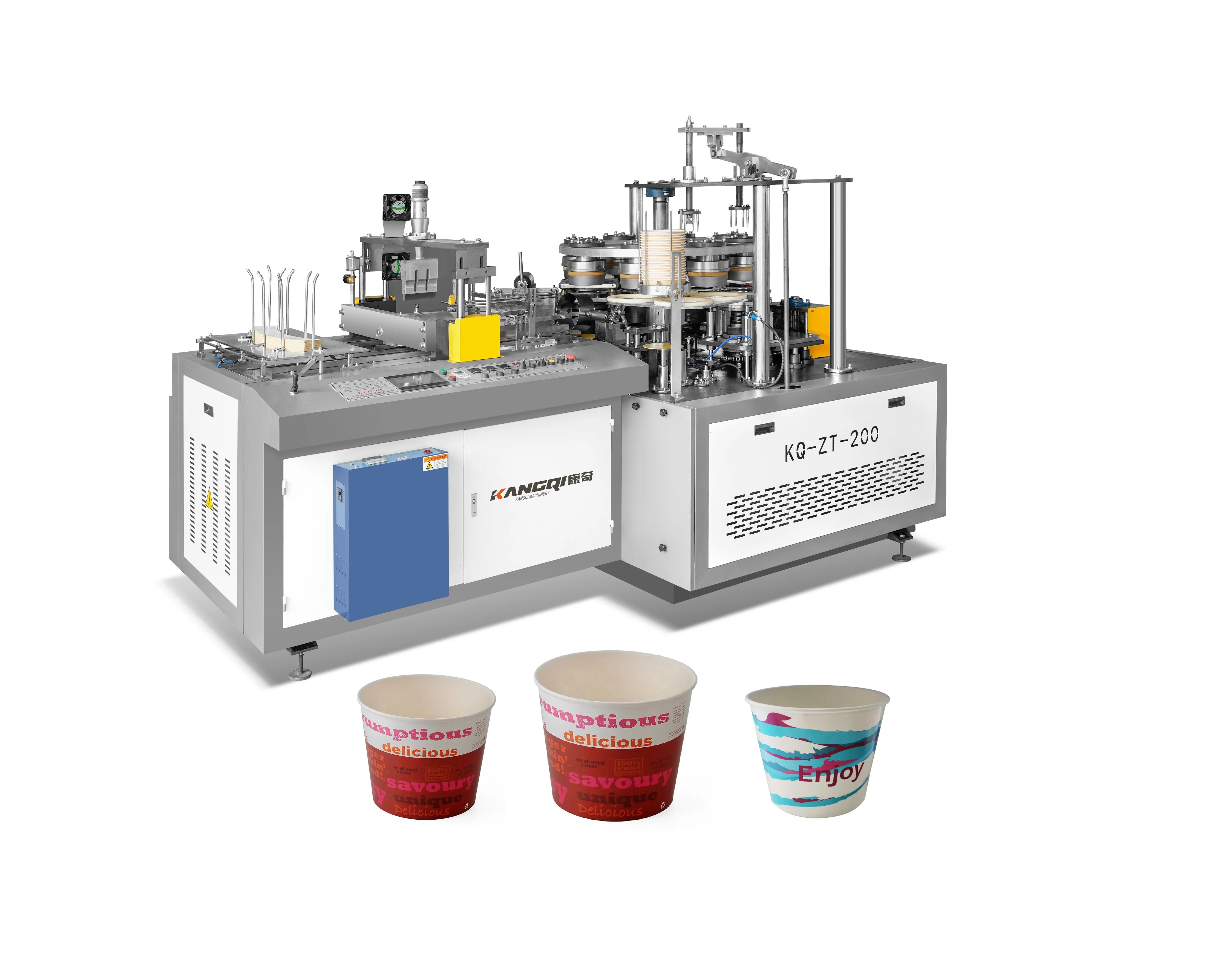
A paper cup machine is specialized equipment that turns paper-based materials into containers. Its core processes include printing, die-cutting, forming and bottom sealing. Modern machines integrate multiple processes into a single production line, significantly reducing production time and labor requirements.
Based on automation level and production capacity, paper cup machines fall into two main categories: semi-automatic and fully automatic.
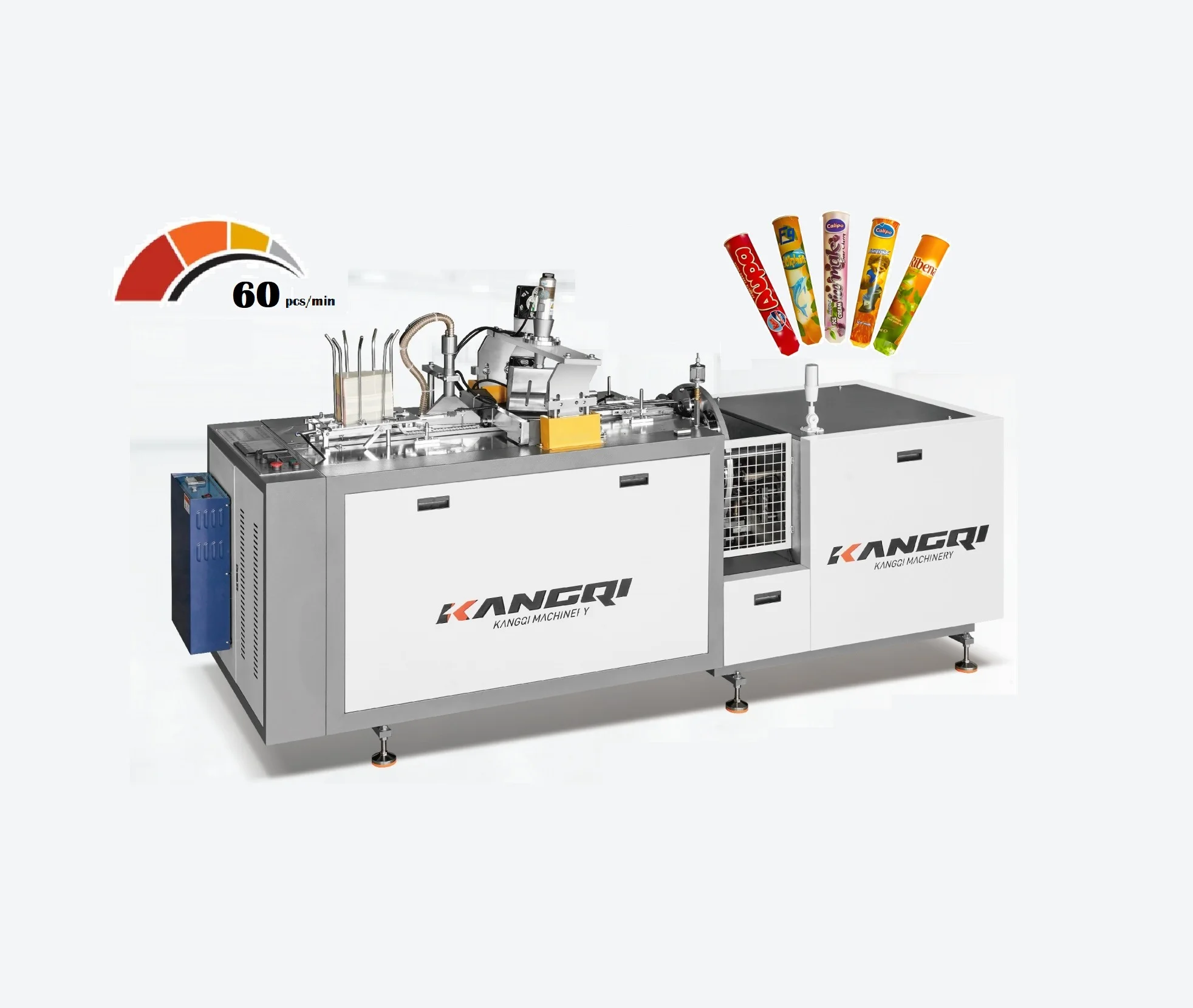
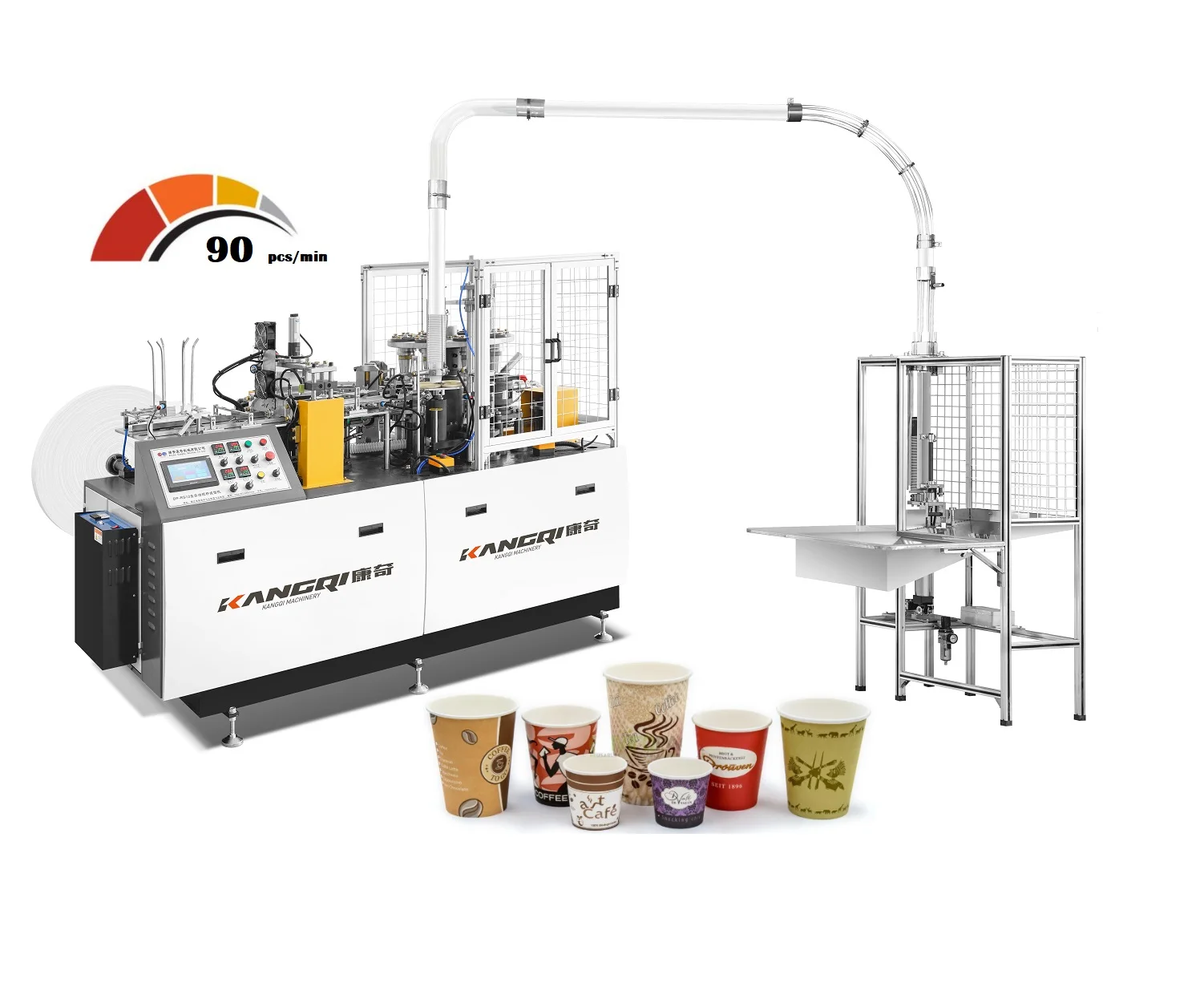
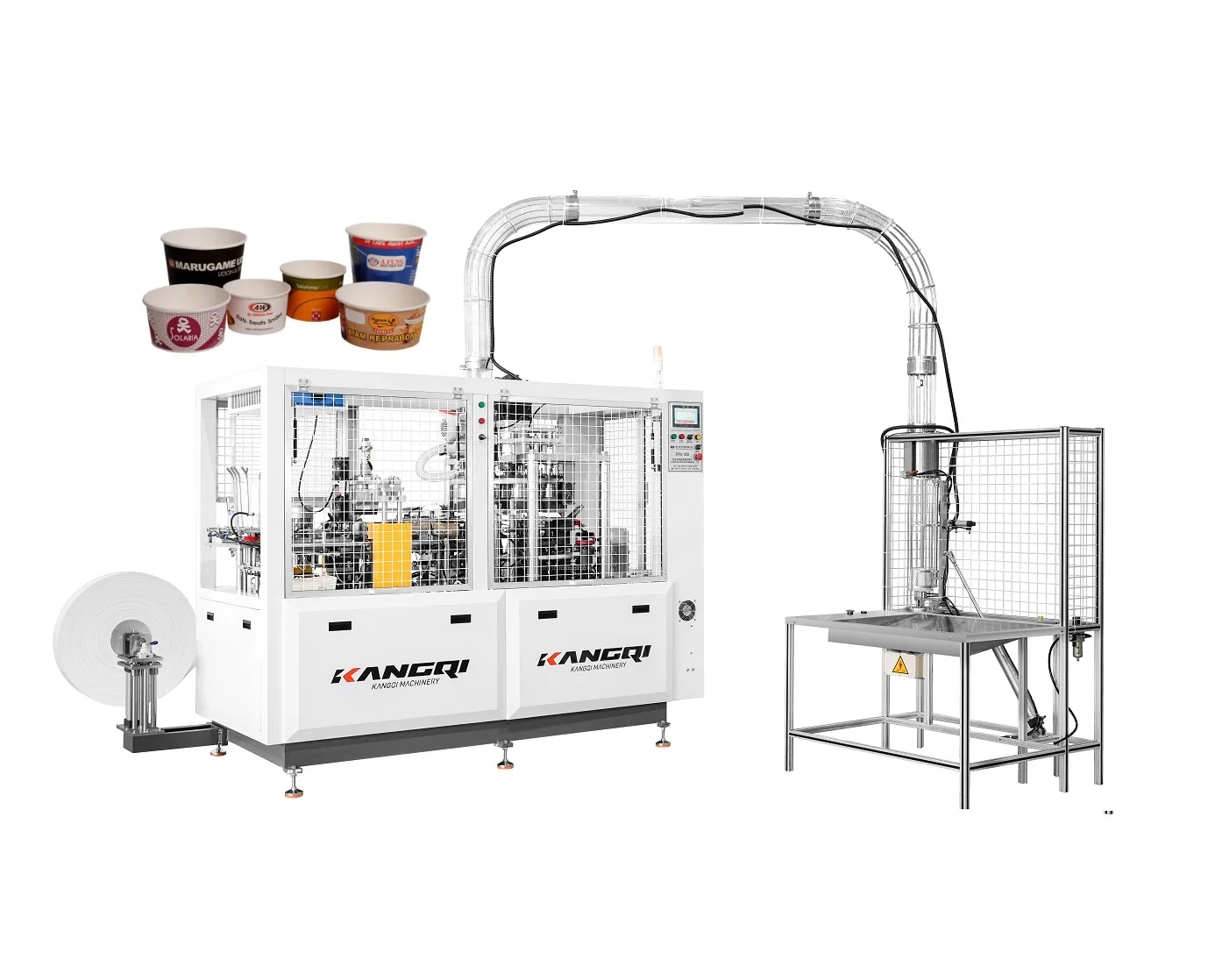
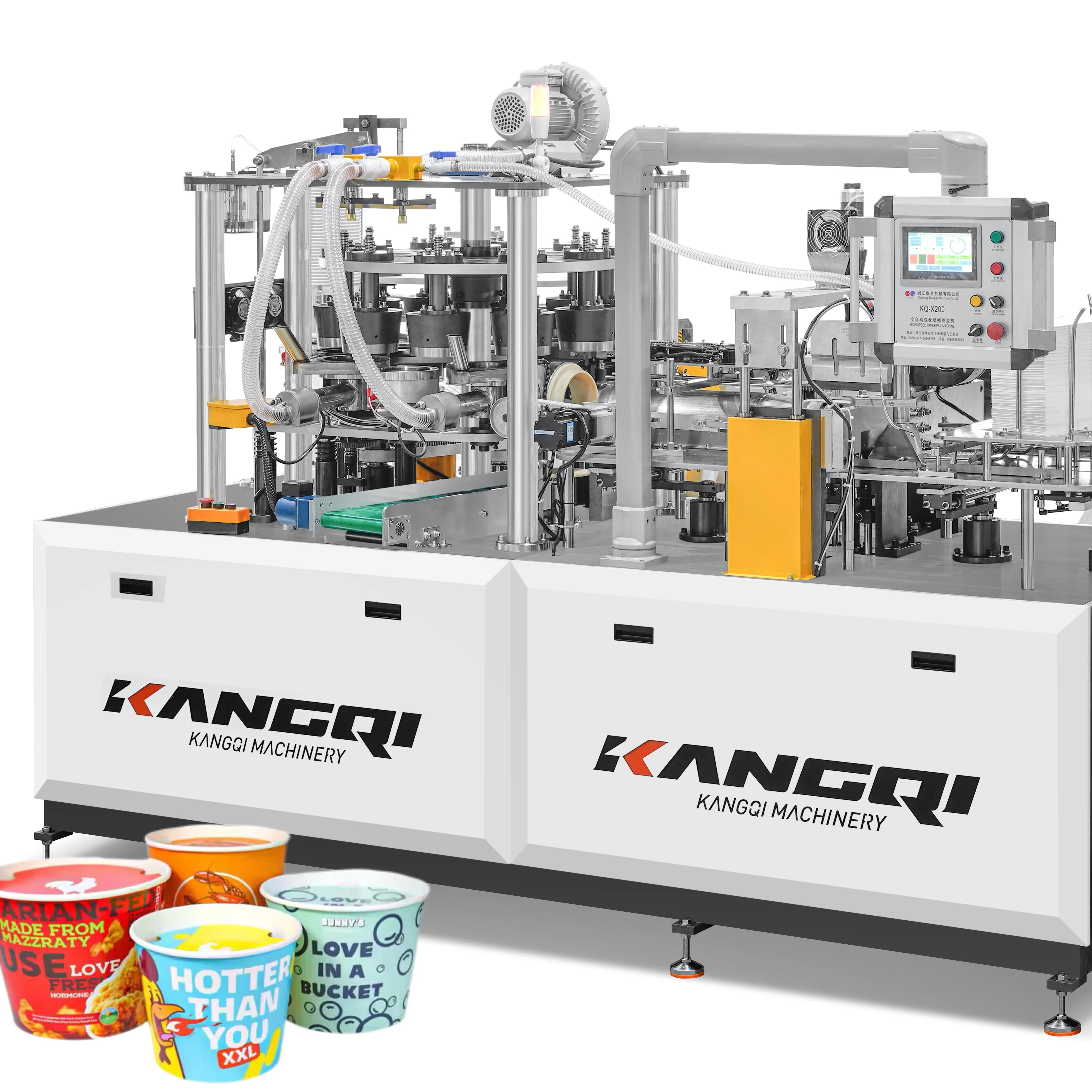
In addition, by product type, paper cup machines can also make different paper containers such as cold drink cups, hot drink cups and ice cream cups. Specialized models are also available for producing paper bowls, soup containers and takeaway food boxes, expanding the industry's application scope.
In recent years, the global paper cup market has grown steadily. According to market research data, the global paper cup market size exceeded $10 billion in 2022, and is expected to maintain an average annual growth rate of over 5% in the next few years. This growth is mainly driven by the expansion of the food delivery industry, increased consumer environmental awareness and government plastic restriction policies. Over 60 countries have now implemented partial or complete bans on single-use plastic cups, forcing restaurants and retailers to switch to paper alternatives.
In terms of regional distribution, the Asia-Pacific region is the fastest-growing market for paper cup machines. In emerging economies like China and India, paper cup consumption has risen sharply due to the popularity of fast food and food delivery services. China alone accounts for more than 30% of global paper cup production, supported by its massive daily food delivery orders. European and American markets focus more on sustainability, with strong demand for equipment that makes biodegradable and recyclable paper cups. The Middle East and Latin America are also emerging as promising markets.
Technological progress in the paper cup machine industry mainly focuses on three areas: production efficiency, energy conservation and environmental protection, and intelligence.
High Speed and Precision
Modern high-end paper cup machines can produce 150-200 cups per minute, while ensuring accurate forming and good sealing of the cup body. The wide use of servo control systems makes equipment run more stably and reduces material waste by up to 15% compared to traditional mechanical systems. Advanced models also feature quick-change tooling, allowing manufacturers to switch between different cup sizes in less than 30 minutes.
Energy-Saving and Environmental Protection Technologies
To meet global carbon reduction goals, manufacturers keep optimizing energy management. Some models use variable frequency drives and heat recovery systems to cut electricity and heat consumption during production by 20-30%. In addition, machines that can process biodegradable materials such as PLA-coated paper are gradually becoming the market mainstream. Newer machines also adopt solvent-free lamination technology, eliminating harmful VOC emissions.
Intelligence and IoT Applications
By adding sensors and data analysis technology, the new generation of paper cup machines can monitor equipment status in real time, predict maintenance needs and adjust production parameters automatically. Some companies have also started using artificial intelligence for quality inspection, which can automatically detect cup defects and improve product pass rates to over 99%. Cloud-based monitoring platforms allow manufacturers to remotely track machine performance worldwide.
Although the industry has bright prospects, it still faces challenges such as fluctuating raw material costs, technical barriers and increasingly strict environmental regulations. Price changes of food-grade paper and eco-friendly coating materials may affect customers' equipment purchasing decisions. Additionally, the high cost of fully automatic machines remains a barrier for small businesses in developing countries.
In the future, the industry is likely to see the following trends:
Driven by both market demand and technological innovation, the paper cup machine manufacturing industry will continue to grow, with a greater focus on efficiency, intelligence and environmental protection. As the world pays more attention to sustainable packaging, manufacturers need to keep improving their technology to adapt to market changes. At the same time, industry players should closely follow policy updates and materials science advances to stay competitive in this rapidly evolving market. The industry's ability to balance productivity with sustainability will be key to its long-term success.
 Hot News
2026-08-18
2026-07-23
2026-06-05
2026-06-04
2026-06-03

 EN
EN